July 17, 2026
In the ever-evolving landscape of industrial operations, the demand for robust and reliable flooring solutions has surged. As factories expand and processes become more complex, it is imperative to utilize flooring that can withstand heavy machinery, foot traffic, and chemical exposure. Herein lies the significance of epoxy flooring systems, which are increasingly being hailed as the gold standard in industrial applications. The rising appeal of epoxy can be attributed to its exceptional durability, cost-effectiveness, and versatility, making it an indispensable component in modern factory settings.
Maximize Durability With High-Performance Epoxy Systems
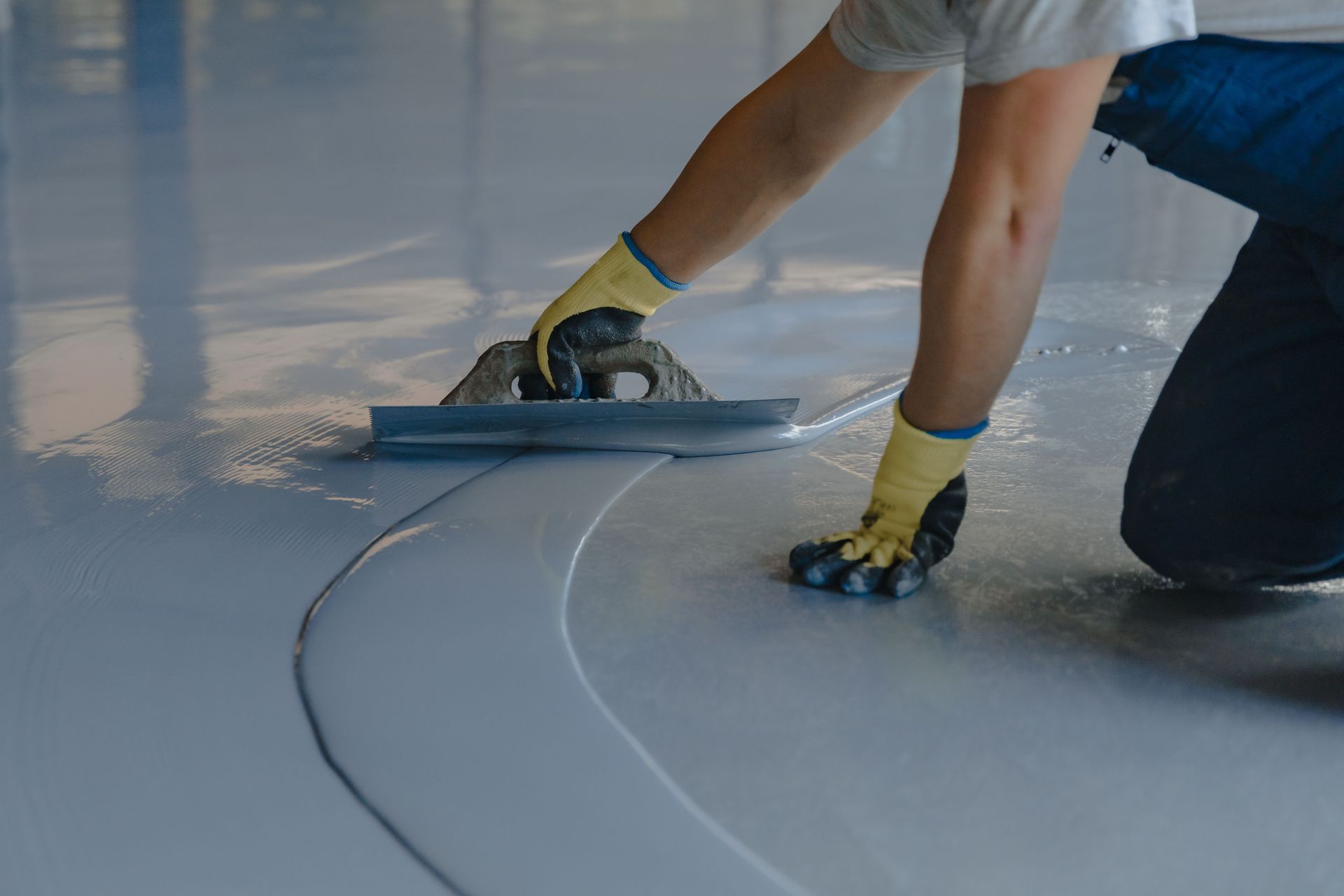
Epoxy flooring's unparalleled durability stems from its tough, resinous composition that creates a solid, protective layer over concrete substrates. This resistance to wear enables it to endure the rigors of industrial environments, including consistent impacts, abrasions, and heavy equipment use. Furthermore, the inherent strength of epoxy floors translates into a longer lifespan, reducing the necessity for frequent repairs and replacements. According to Fortune Business Insights, the global concrete flooring market size was valued at approximately $3.2 billion in the past years, reflecting a strong demand for resilient flooring systems like epoxy.
The formulation of epoxy coatings often involves a mixture of resins and hardeners that chemically bond to create a rigid final product. This fusion not only fortifies the flooring against physical degradation but also enhances its resistance to chemical spills and thermal shocks. The capacity of epoxy to retain structural integrity under diverse conditions makes it exceptionally well-suited for settings such as food processing plants, warehouses, and pharmaceutical facilities. Its impressive load-bearing capabilities ensure that epoxy flooring remains unaffected by the daily hustle and bustle of industrial operations.
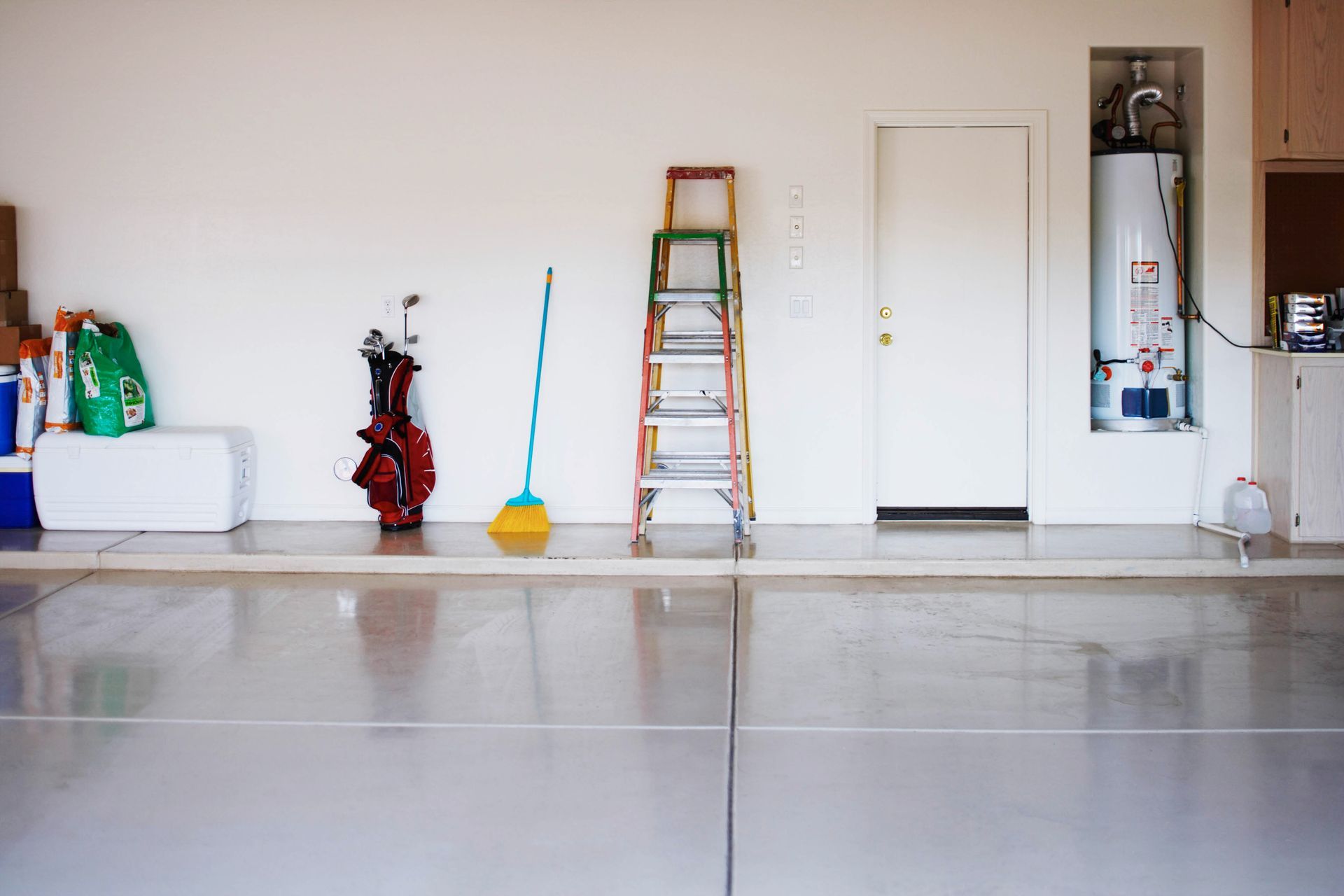
Another aspect contributing to the superior strength of epoxy floors is the comprehensive surface sealing it provides. By forming an impermeable barrier, epoxy prevents the intrusion of moisture, oils, and other contaminants that could undermine the substrate's stability. This feature is critical in maintaining hygienic conditions, especially in industries where cleanliness is paramount. The seamless and non-porous nature of epoxy also facilitates easy cleaning, further solidifying its status as the flooring choice for high-demand sectors.
Reduce Long-Term Costs Through Lasting Performance
While the initial installation costs of epoxy flooring may seem higher compared to traditional options, the long-term economic benefits justify the investment. The impressive lifespan of epoxy floors negates the need for frequent replacements, resulting in significant savings over time for industrial facilities. Unlike some other materials, epoxy floors do not incur additional costs for frequent maintenance, thus providing a stable financial outlook for businesses. Additionally, epoxy's ability to withstand heavy traffic and harsh conditions ensures a consistent performance throughout its life cycle.
Cost efficiency is further bolstered by the low maintenance requirements of epoxy flooring. Once installed, epoxy floors require minimal upkeep, translating into reduced labor and resource expenditures for ongoing maintenance chores. This aspect is especially beneficial for large-scale operations where any downtime due to repairs or cleaning can result in substantial financial losses. The value derived from durability, coupled with low maintenance needs, underscores why epoxy flooring is a viable long-term investment for industrial factories, ultimately boosting their bottom line.
Another economic advantage of epoxy flooring is its ability to enhance the value of factory infrastructure. By providing a durable and aesthetically pleasing finish, epoxy floors can contribute positively to the resale value of properties. Prospective buyers often view well-maintained, high-quality flooring as a critical point of interest, driving up potential purchase offers for a facility. Therefore, an investment in epoxy flooring not only supports current operational efficiencies but also secures future financial benefits in asset equity.
Simplify Maintenance for Greater Operational Efficiency
Epoxy flooring is celebrated not only for its durability but also for its remarkably low maintenance requirements, making it particularly attractive to industrial operators. Its seamless and non-porous surface significantly cuts down on time and costs typically associated with cleaning and maintenance. With regular sweeping and occasional mopping, epoxy floors maintain their pristine aesthetic and functional qualities, without demanding heavy investments in specialized cleaning products or equipment. This aspect not only lowers operational costs but also helps to streamline workforce allocation.
Unlike other flooring options that may require waxing or re-coating, epoxy floors are virtually self-sustaining, retaining their sheen and functionality with minimal intervention. This reduces not only the frequency of maintenance routines but also the need for business interruptions. Since maintenance personnel can swiftly address any spills or debris without jeopardizing the floor's integrity, operational efficiency is unhindered, thereby supporting continuous productivity in industrial settings. Owing to this ease of maintenance, epoxy flooring stands out as a pragmatic choice for high-traffic environments.
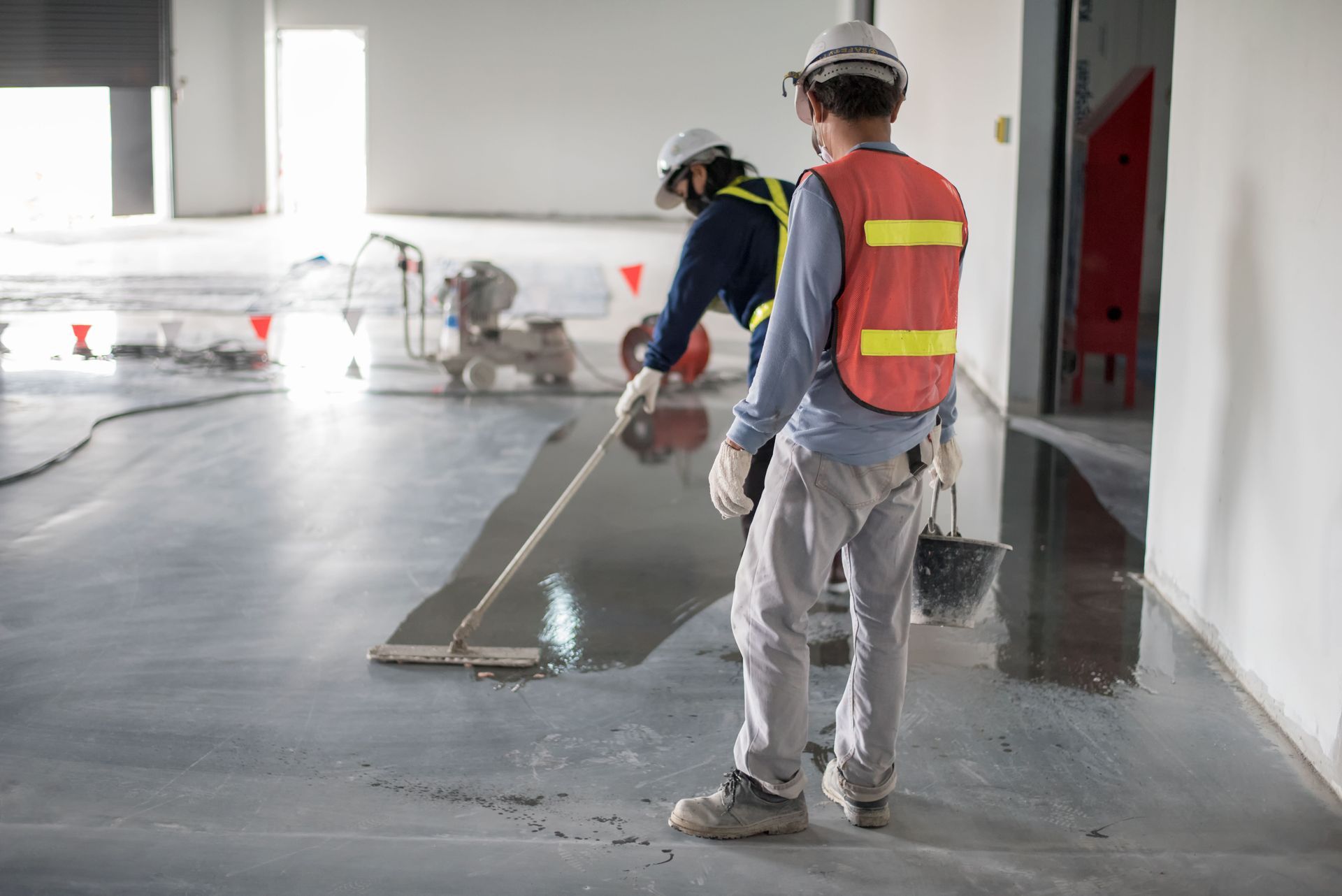
Moreover, in the event of damage, repairing epoxy floors is straightforward and does not necessitate extensive downtime. With the application of an additional epoxy layer or localized repair kits, any disturbances in the surface can be quickly and effectively managed. This capacity for easy repairs enhances the long-term viability of epoxy flooring, further cementing its position as a preferred flooring solution in industrial contexts. The swift resolution of any maintenance issues ensures that factories can continue to function smoothly without substantial disruptions.
Improve Workplace Safety With Protective Flooring Solutions
The robust nature of epoxy flooring contributes significantly to enhancing safety standards in industrial settings. Its high-traction surface minimizes the risk of slips and falls, particularly under wet conditions, thereby safeguarding workers and machinery. Furthermore, epoxy floors can be customized with anti-slip additives or coatings to suit specific safety requirements, further mitigating potential hazards. By reducing the incidence of workplace accidents, epoxy flooring helps industrial facilities maintain high safety standards and comply with occupational safety regulations.
Another vital safety attribute of epoxy flooring is its resistance to fire hazards. The non-flammable properties of epoxy coatings protect infrastructure from potential fire outbreaks, which is crucial for preserving the safety of the workplace. This fire-resistant quality is complemented by epoxy's ability to withstand chemicals, ensuring that factory floors remain safe and intact even when exposed to potentially dangerous substances. This multifaceted resilience is indispensable for industries such as manufacturing and chemical processing, where exposure to various risks is a daily occurrence.
Customize Industrial Spaces for Functionality and Visual Appeal
Aesthetic appeal may not be the foremost concern in industrial environments, yet epoxy flooring systems offer a surprising range of design possibilities that can enhance any facility's appearance. Available in a plethora of colors, patterns, and finishes, epoxy floors can be tailored to match corporate branding or to designate specific functional areas. This versatility in design not only improves overall aesthetics but also facilitates better space organization and workflow efficiency within factories. By embedding functionality into aesthetic appeal, epoxy floors offer a dual advantage that can be strategically leveraged.
Customization extends beyond visual aspects and can include anti-slip textures, reflective coatings for improved lighting, and even embedded logos or directional guides. The ability to incorporate multiple functional features into the flooring design significantly enhances the operational utility of industrial spaces. This capacity for personalization empowers businesses to create distinct environments that resonate with company culture and operational needs. Consequently, epoxy flooring provides industrial entities with a strategic tool for improving both aesthetics and operational efficacy.
Epoxy flooring systems epitomize the gold standard in industrial flooring due to their unparalleled durability, cost-effectiveness, low maintenance needs, safety enhancements, and aesthetic versatility. These attributes, coupled with customization options, make epoxy flooring an ideal solution for diverse industrial applications that demand a high level of performance and reliability. As industries grow and evolve, the need for robust, reliable, and flexible flooring solutions will continue to drive the adoption of epoxy systems. Reach out to Tri-State Coatings & Repair to learn more about our services today.