August 20, 2026
An industrial floor coating is essential for maintaining the structural integrity and longevity of concrete surfaces. Every day, concrete floors face numerous challenges, including physical wear, chemical spills, and environmental effects. Implementing an industrial floor coating not only shields concrete from damage but also prolongs its usable life and reduces maintenance costs.
As operations increase in complexity and intensity, the resilience of concrete surfaces becomes a vital concern. The interplay between heavy machinery, constant foot traffic, and exposure to harsh substances can degrade untreated concrete over time. A high-quality industrial floor coating provides a robust solution by creating a protective barrier that resists detrimental factors.
The selection of an appropriate industrial floor coating is crucial as it impacts both effectiveness and sustainability. Coatings offer varied levels of protection based on their composition, enabling facilities to tailor solutions according to operational needs. By investing in the right industrial floor coating, facilities can enhance safety, productivity, and overall functionality.
Understanding Concrete Vulnerabilities
Concrete is a composite material composed primarily of cement, water, and aggregates such as sand and gravel. This combination results in a strong yet somewhat porous material susceptible to wear and degradation. The intrinsic porosity allows for moisture and chemical infiltration, making it vulnerable to damage. Additionally, the rigid structure of concrete can be prone to cracking under stress, especially in high-traffic areas. Regular exposure to these conditions can lead to significant deterioration without adequate protection.
Despite its durability, concrete exhibits innate weaknesses that necessitate protective measures. Environmental factors like freeze-thaw cycles can exacerbate internal weaknesses, leading to structural failures. The lack of flexibility in concrete also means it cannot easily absorb impact, making it susceptible to physical damage from machinery and equipment. Addressing these vulnerabilities is crucial to preserve strength and structural integrity.
Microscopic pores allow liquids to seep deeply into the slab, which causes internal shifting and accelerates degradation. The constant pressure from heavy loads exacerbates this hidden internal weakness, pushing the material past its breaking point. Applying an industrial floor coating bridges these microscopic pores, effectively sealing the slab against penetrating liquids and preventing structural shifts from occurring.
Recognizing Environmental and Operational Threats
Concrete floors encounter several types of damage, each unique in its cause and progression. Abrasion, resulting from high foot traffic and machinery movement, is a common issue affecting these surfaces. Concrete is also prone to damage through chemical exposure, which can occur from spills or contact with cleaning agents, oils, and other corrosive substances. Thermal shock poses another threat, as rapid temperature changes can lead to expansion and contraction that cause cracking. Understanding these damage types is essential for implementing effective protective measures.
Environmental factors play a crucial role in durability. Moisture is a major factor; prolonged exposure to water or high humidity levels can penetrate the concrete, leading to deterioration. Temperature fluctuations also pose a significant threat. Managing these exposures is key to maintaining a durable and effective floor. In exposure-heavy environments, protective coatings act as a shield against environmental stressors. By sealing the surface, coatings prevent moisture infiltration and protect against thermal stress.
Heavy industrial vehicles dragging pallets or dropping large loads create localized stress points that fracture untreated surfaces instantly. Furthermore, facilities processing harsh acidic or alkaline materials risk rapid chemical erosion that eats away the top layer of cement paste. By identifying these operational hazards early, managers can specify an industrial floor coating engineered explicitly to withstand those exact chemical and mechanical stresses.
Evaluating The Cost of Neglect
Failing to maintain concrete floors can lead to high and recurring repair costs, which are often overlooked during initial budgeting. Without adequate protection, damages can progress unchecked, resulting in significant structural issues. These issues can necessitate costly downtime for repairs, reducing productivity and impacting profitability. Additionally, neglecting floor maintenance can lead to regulatory non-compliance, posing potential legal and financial ramifications. The cumulative costs of neglect make proactive floor care a wise and financially sound decision.
Operational efficiency often hinges on the state of flooring. Compromised surfaces can lead to accidents or operational disruptions, presenting safety risks to personnel and affecting product quality. Proactive maintenance presents a more sustainable financial strategy. Compared to the repair expenses that arise from neglected concrete surfaces, initial investment in protective measures offers significant savings. The application of coatings extends lifespan, maintains structural integrity, and ensures continuous operation.
A heavily damaged surface can ruin equipment tires, bend metal machine parts, and trip employees, severely slowing down daily workflows. Delaying essential maintenance means a complete structural overhaul might be required later, involving breaking up and pouring fresh slabs. This worst-case scenario is vastly more disruptive and expensive than applying a reliable industrial floor coating early on to stop degradation in its tracks.
Choosing the Right Protection
Several types of protective layers offer distinct benefits, with epoxy systems among the most popular due to their durability and versatility. Epoxy coatings provide exceptional chemical resistance, making them ideal for environments where chemical spills are frequent. They also enhance the load-bearing capacity of concrete floors, supporting heavy machinery and high traffic. Polyurethane coatings offer flexibility and UV resistance, making them suitable for environments with exposure to sunlight or subject to varying temperatures.
When selecting these solutions, it helps to look at industry research regarding longevity. According to This Old House, an epoxy garage floor coating is capable of lasting for 10 to 20 years. This impressive lifespan promises durability that justifies upfront costs with low maintenance requirements. The variety in coating systems allows for their deployment across diverse sectors, offering facility managers options for customization tailored to specific operational challenges.
Slip resistance and aesthetic appeal also play a major role in the selection process, especially in facilities hosting public tours or client visits. Polyaspartic options cure rapidly for minimal downtime, whereas standard epoxy takes longer but offers incredible foundational hardness. Finding the perfect industrial floor coating means carefully balancing cure times, chemical resistance requirements, visual preferences, and daily traffic levels to achieve maximum performance.
Applying the Coating Correctly
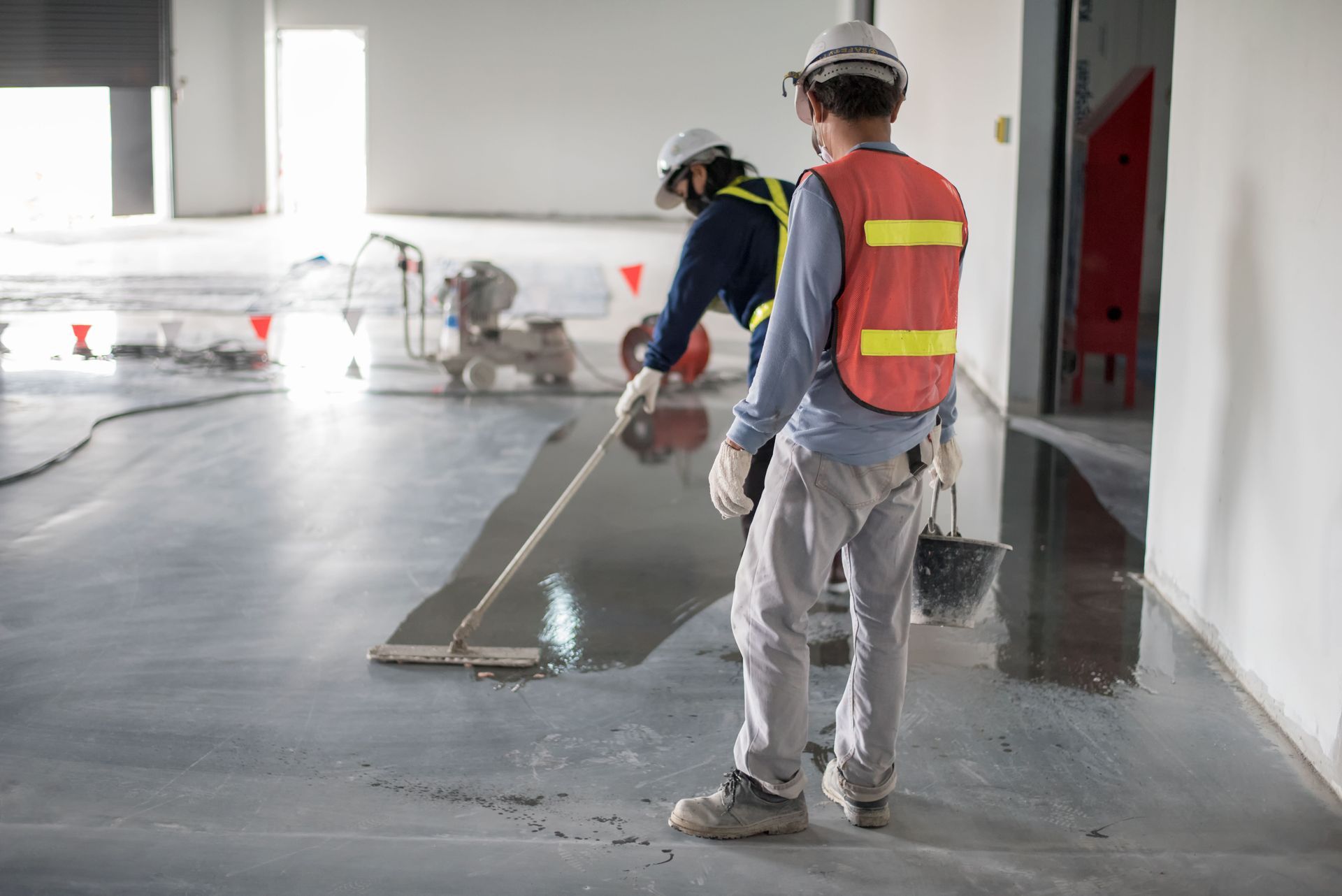
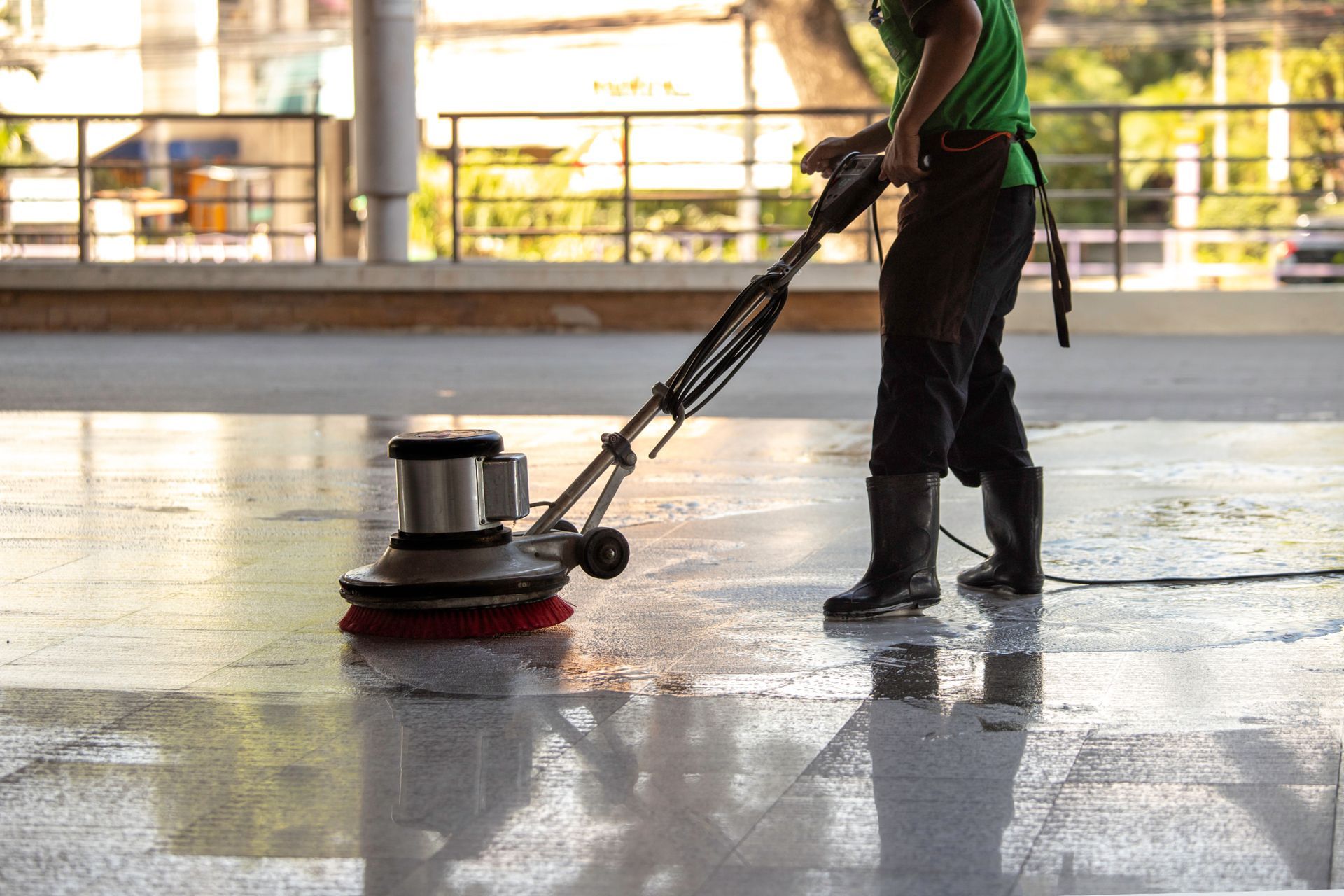
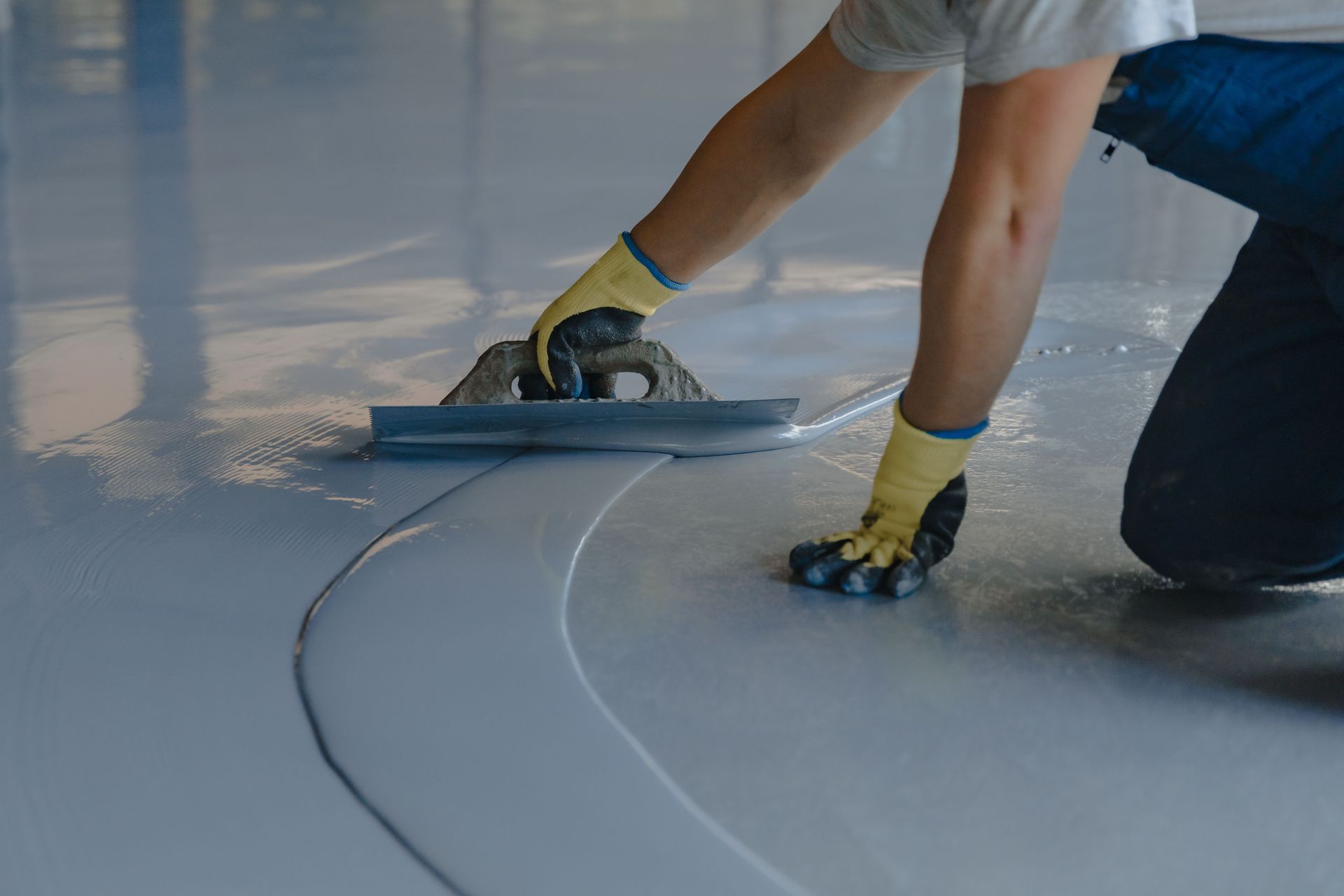
Proper application of an industrial floor coating is a careful process requiring precision and expertise. Surface preparation is critical for ensuring adherence and longevity. This preparation may include cleaning the surface, removing old coatings, and repairing visible cracks or surface imperfections. Methods like shot blasting or diamond grinding create texture on smooth surfaces, improving the mechanical bond between the coating and the concrete. After preparation, the coating mixture is applied evenly and allowed to cure.
Curing is a crucial phase in the application process, as it allows the coating to solidify and form protective bonds. The time required for curing can depend on the type of coating, environmental conditions, and depth of application. Proper drying and curing are essential to achieve the desired protective properties. Effective application techniques not only enhance surface protection but also optimize lifecycle costs. Investing in professional installation reduces risks associated with improper application, such as early failure or inadequate protection.
Climate control during the installation process prevents unwanted bubbling or peeling from ruining the finish before it sets. Proper ventilation ensures the industrial floor coating bonds tightly without interference from ambient humidity or extreme indoor temperature shifts. Expert installers monitor these environmental conditions closely, guaranteeing a flawless, bubble-free finish that remains securely bonded to the underlying slab for years.
Maintaining the structural integrity of concrete surfaces requires proactive strategies. Implementing an industrial floor coating is a proven way to shield floors from mechanical wear, chemical exposure, and environmental stressors. By addressing vulnerabilities and recognizing operational threats, facilities can dramatically reduce maintenance expenses while ensuring a safer working environment. Carefully choosing and correctly applying the right protective layers will yield lasting benefits for any commercial or manufacturing space. If you are ready to upgrade your flooring and protect your concrete surfaces for the long haul, contact Tri-State Coatings & Repair today to schedule a consultation and secure a durable finish.